Your production challenge
Is your production process holding you back?
In many industries, conventional manufacturing processes are reaching their limits. Skilled labour is scarce, operational costs are rising and quality requirements continue to increase. At the same time, manufacturers need more flexibility, shorter changeovers and better control over their production process.
When existing machines, tooling or manual workflows can no longer keep up, production starts to become a limitation instead of a competitive advantage.
Zenna Laser helps manufacturers rethink these processes with laser technology, vision, robotics and automation systems designed around real production challenges.
When conventional processes limit growth
Many production bottlenecks start with the process itself. Mechanical cutting, punching, welding or handling methods can become less efficient when materials, product variations or quality requirements change.
Tool wear, frequent changeovers, manual adjustments and inconsistent output all affect production performance. They can lead to more waste, higher operational costs and less predictable quality.
These limitations are especially visible when manufacturers need to process delicate, flexible, abrasive or complex materials. In those situations, conventional methods often require too much maintenance, too much manual correction or too many compromises in quality.
When quality and precision become harder to control
As quality requirements increase, production systems need to deliver more consistent results at higher speeds. This is difficult when the process depends heavily on manual handling, mechanical tooling or operator experience.
Issues such as deformation, burrs, thermal damage, weak welds or inconsistent edges can affect the final product and create extra post-processing work. For manufacturers, this means more inspection, more scrap and less confidence in the stability of the process.
Laser-based production can help create clean, repeatable and contact-free precision, especially when combined with vision systems, motion control and inline inspection.
When efficiency and cost pressure increase
Operational costs often rise when a process depends on consumables, tooling, downtime or labour-intensive handling. Every tool change, manual correction or production stop affects output and increases cost per part.
Manufacturers are looking for ways to reduce scrap, improve material yield and increase throughput without sacrificing quality. This requires more than faster machines. It requires a process that is stable, flexible and easier to control.
With the right automation concept, production can become less dependent on manual work and more suitable for higher volumes, smaller batches or changing product types.
When automation and data become essential
Many production lines still depend on paper instructions, manual data input or limited process feedback. This makes it harder to guarantee repeatability, traceability and reliable output data.
Intelligent machine automation makes it possible to connect process settings, inspection results, production data and machine status in one controlled workflow. This supports better process visibility, more consistent output and improved decision-making during production.
For manufacturers, this can also create the basis for preventive maintenance, structured quality assurance and further digitalisation of the production floor.
When innovation depends on production flexibility
New products often require new production methods. But if existing tooling, machines or manual processes are too rigid, time to market becomes longer and product development slows down.
A more flexible and programmable manufacturing method helps manufacturers test, adapt and scale faster. Laser technology is especially valuable in this context because process paths can be controlled by software instead of fixed mechanical tooling.
This gives manufacturers more freedom to introduce new product types, process smaller series and respond faster to changing market demands.
Proven in real production environments
Zenna Laser systems are used in demanding production environments where quality, speed and reliability are critical.
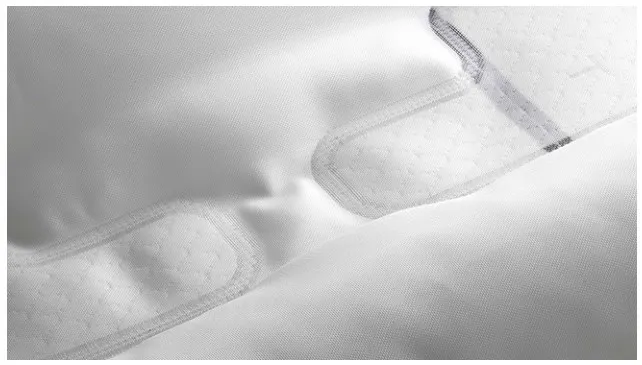
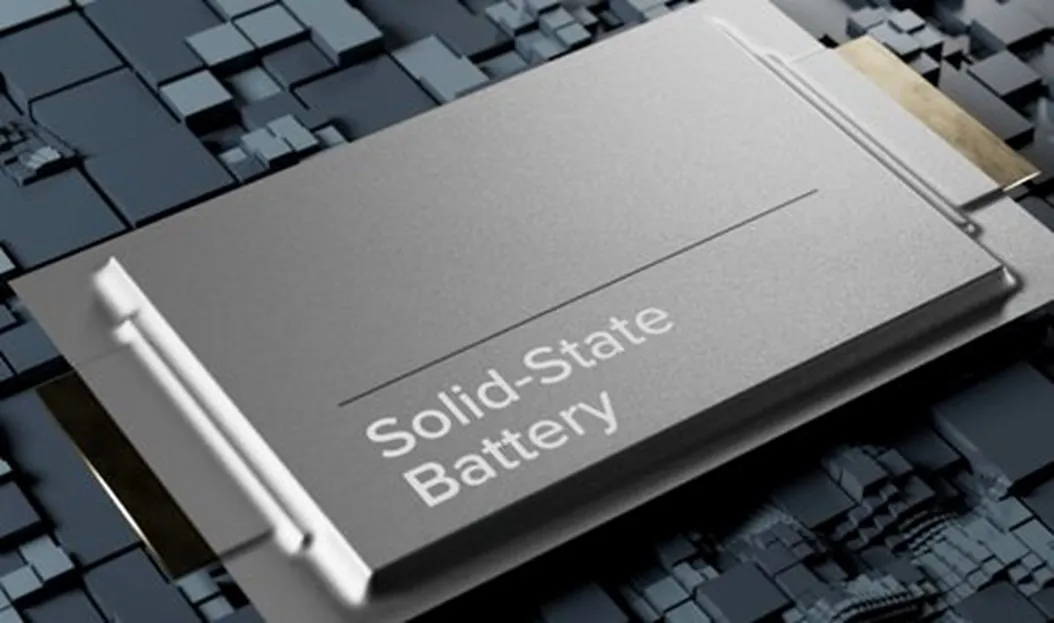
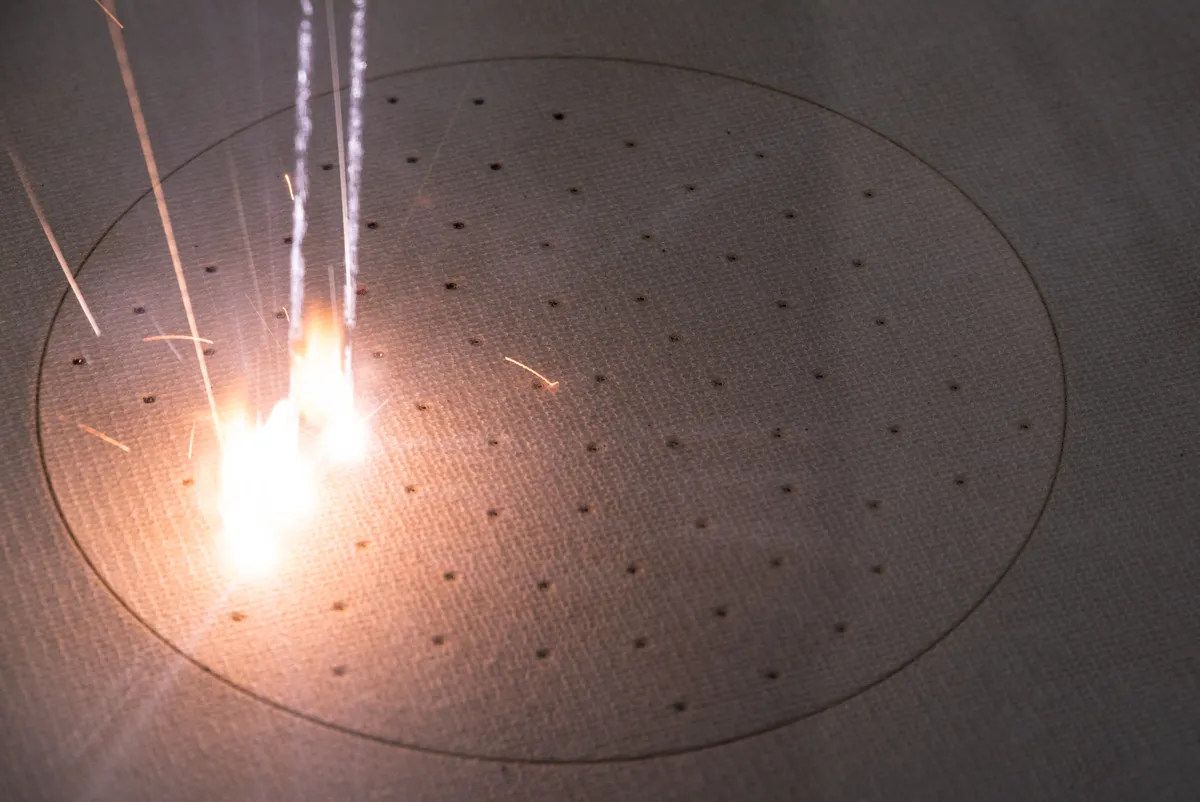
These applications show how the right combination of laser technology, automation and process knowledge can turn production limitations into new manufacturing possibilities.